
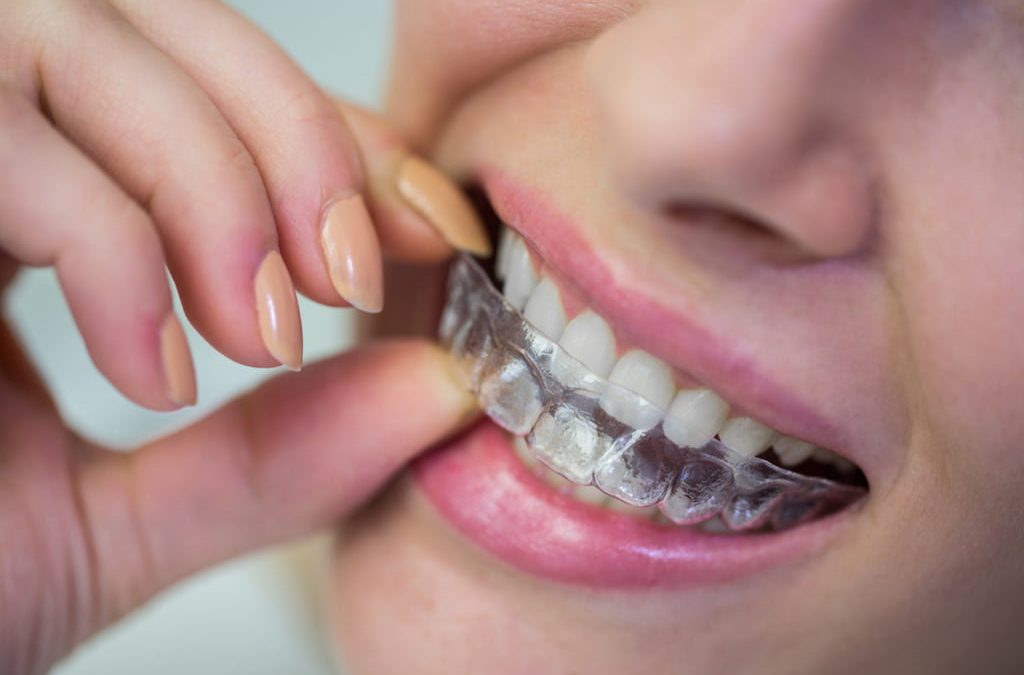
Removing invisible orthodontics should not hurt, although some people feel slight discomfort or temporary pressure when removing the aligners.
This occurs because the teeth are in constant movement and the aligners exert controlled force to correct the dental position. The sensation disappears in seconds and does not represent real pain or dental damage.
If removing invisible orthodontics hurts, it may be a sign of an incorrect adjustment or dry mouth, and it is advisable to review the treatment with your orthodontist.
Why does invisible orthodontics sometimes hurt?
If you are wondering if invisible orthodontics hurts, we answer that invisible aligners are designed to apply small continuous forces on the teeth. When you remove them, especially during the first days of use or after a splint change, it is normal to feel some pressure or sensitivity. This is not a toothache, but a symptom that the treatment is working correctly.
The most common causes of discomfort are:
- New aligners with a firmer fit.
- Gums slightly inflamed by plaque accumulation or dry mouth.
- Abrupt or incorrect handling when removing them.
- Previous dental sensitivity or teeth in active movement.
Avoid removing the aligners immediately after eating or drinking hot beverages. Wait a few minutes for the material to regain its optimal shape.
How to remove invisible orthodontics correctly?
Removing the aligners properly avoids discomfort, breakage or deformation.
- Wash your hands thoroughly before touching them.
- Place your fingers on the rear edges (molar area) and gently lift outwards.
- Avoid pulling from the center or incisors, as this can generate unnecessary tension.
- If the aligners are very tight, use an extraction tool recommended by your orthodontist.
- Clean them with warm water and neutral soap, avoiding abrasive toothpastes.
If you live on the Costa del Sol, a specialist in invisible orthodontics Málaga can teach you the correct technique for extracting and caring for your aligners.
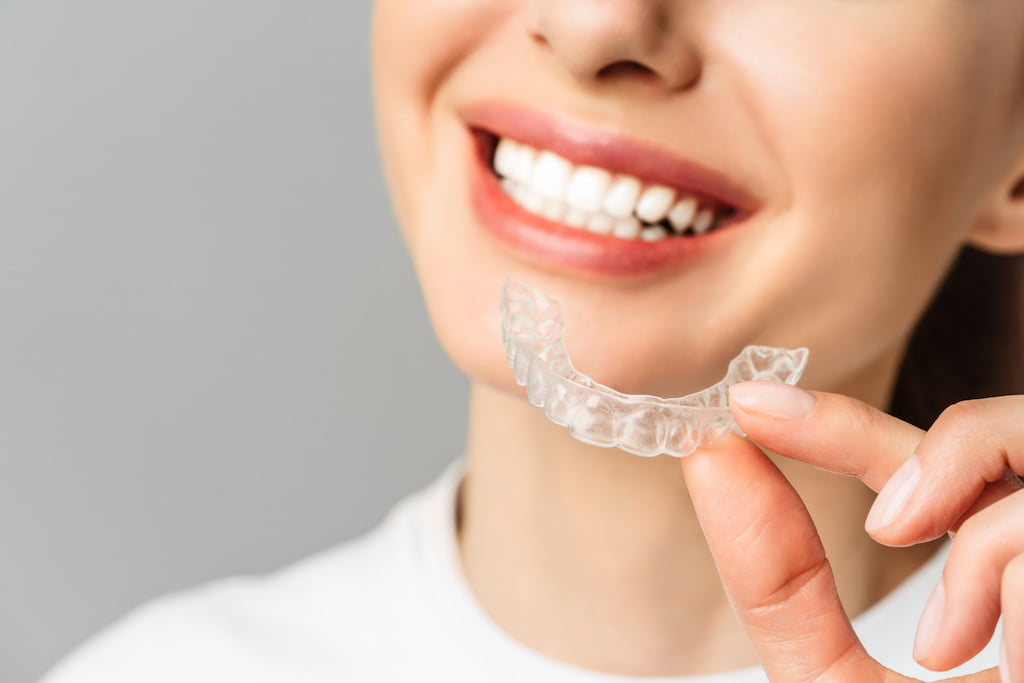
Tips to reduce tooth sensitivity
During treatment with invisible orthodontics, some patients notice more sensitive teeth to cold, heat or pressure.
To relieve it:
- Use desensitizing toothpastes with fluoride or potassium nitrate.
- Avoid very cold or hard foods right after removing the aligners.
- Maintain good oral hygiene to prevent inflammation or irritation.
- Massage the gums gently with a soft-bristled brush.
- Drink plenty of water to keep saliva active and protect the enamel.
If the sensitivity is continuous, your orthodontist may recommend specific treatments or a small adjustment in the aligners.
What hurts more Invisalign or brackets?
One of the most common questions among patients is whether Invisalign hurts more than brackets. The answer is clear, Invisalign generates much less discomfort than traditional orthodontics with metal brackets.
Comparison:
| Appearance | Invisalign | Brackets |
|---|---|---|
| Initial pain | Slight pressure in the first days | More intense pain after each adjustment |
| Wounds or chafing | Does not cause cuts or sores | Frequent due to rubbing with wires |
| Hygiene | Easy to clean and remove | More difficult to brush |
| Comfort | Very comfortable and aesthetic | May cause discomfort when eating |
For dental aesthetics treatments, invisible aligners offer better results in harmony and appearance.
How do dentists remove Invisalign attachments?
During Invisalign treatment, orthodontists can place “attachments” or small resin reliefs on the teeth.
These accessories help direct dental movements precisely.
When the treatment ends, the specialist removes the attachments painlessly following these steps:
- A soft rotary handpiece is used, similar to that used in cleanings.
- The dentist carefully wears away the resin until it is completely removed.
- The dental surface is polished so that it is smooth and without residue.
- Finally, an aesthetic polishing or whitening can be applied for a uniform finish.
This process is quick (about 15–20 minutes) and totally painless.
You can take the opportunity to perform a dental whitening Málaga and enhance the luminosity of your smile after removing the attachments.
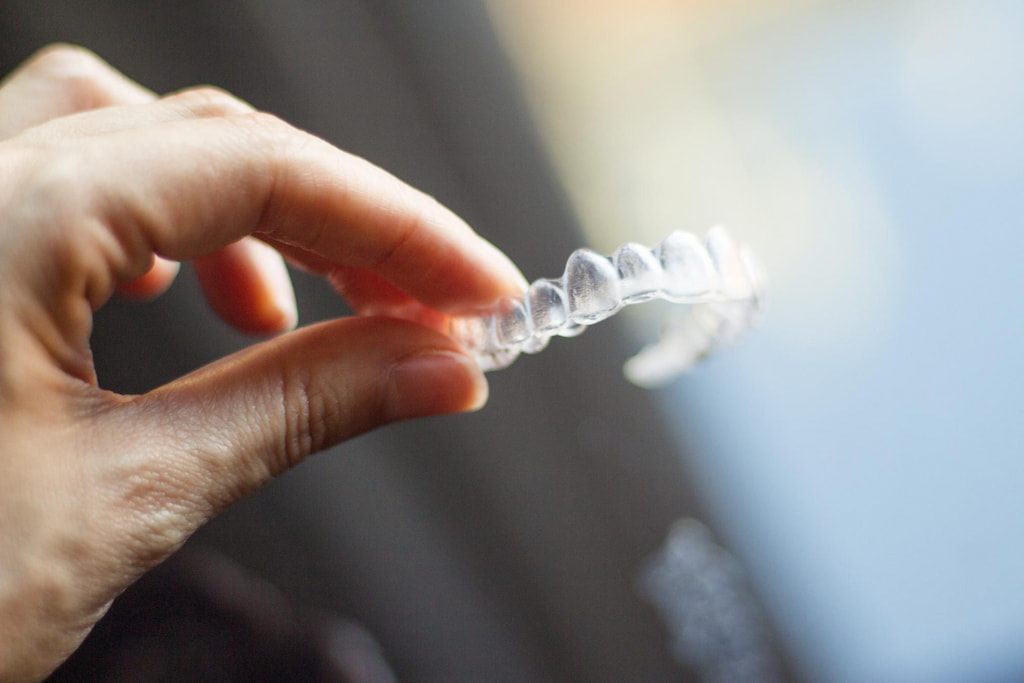
Care after removing the aligners
Every time you remove them, follow this basic routine to maintain your oral health and prolong the life of your splints:
- Brush your teeth and floss before putting them back on.
- Clean the aligners with cold water and a specific orthodontic cleaner.
- Avoid pigmented drinks such as coffee or wine while wearing them.
- Always store your splints in their protective case when not in use.
Complementary treatments so that Invisalign does not hurt
Once the invisible orthodontics treatment is finished, many patients want to improve the overall appearance of their smile.
The most recommended treatments are:
- Teeth whitening, perfect for removing stains and restoring a more luminous tone.
- Dental aesthetics, includes porcelain veneers, aesthetic contouring and dental microdesign, ideal for perfecting shape and symmetry.
- Periodic professional cleanings to maintain healthy gums and prevent stains.
A whitening treatment after invisible orthodontics can increase patient satisfaction and improve the final aesthetic result.
Final conclusion
In general, removing invisible orthodontics does not hurt, although a slight pressure may be felt at first. Invisalign is more comfortable and aesthetic than brackets, and its removal by the dentist is quick and painless. With good care and complementary treatments such as teeth whitening or dental aesthetics, you can enjoy a healthy, aligned and radiant smile.